For anyone pursuing a medical career, from EMTs to nurses and doctors, clinical hours are essential. But what happens when you step outside the controlled environment of a hospital or clinic? Real-world medical situations are often chaotic, unpredictable, and demand a different set of skills. Gaining hands-on experience in specialized, non-traditional settings is one of the best ways to prepare for the challenges you’ll face.
This kind of training pushes you beyond textbooks and standard procedures. It forces you to adapt, improvise, and think critically under pressure. You learn to provide care even when resources are limited, and the environment itself is a major factor.
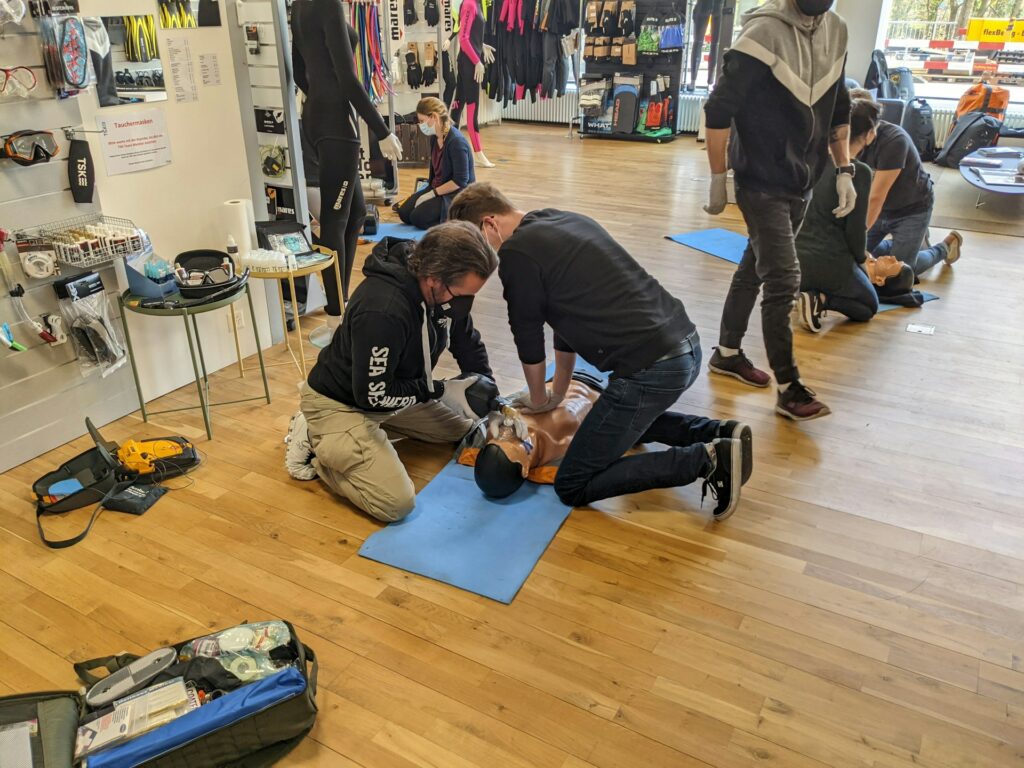
Why Clinical Rotations Aren’t the Whole Story
Clinical rotations in a hospital are invaluable. They teach you core competencies, how to interact with patients, and how to work within an established healthcare system. However, they often show a filtered version of medical care. Patients are usually pre-screened, you have access to a full suite of diagnostic tools, and a senior clinician is always nearby to consult. This structure is excellent for foundational learning but doesn’t always prepare you for the unexpected.
Emergencies don’t just happen in sterile, well-lit rooms. True medical readiness means being able to perform your duties in any situation. Relying solely on traditional hospital experience can leave gaps in your practical skills, especially in areas like rapid triage and resource management. Modern medical education increasingly recognizes the need for more dynamic training models and is enhancing clinical education strategies to better prepare future health professionals for diverse real-world scenarios.
Finding Experience in Unconventional Environments
So, where can you find this kind of specialized experience? Opportunities exist everywhere if you know where to look. These settings take you out of your comfort zone and force you to apply your knowledge in new ways.
Consider volunteering or working for medical teams at large-scale events. These can include:
- Music festivals or large public gatherings
- Marathons and other endurance sports events
- Remote wilderness expeditions or camps
These environments are often called “austere” because they lack the infrastructure of a typical clinic. For example, the medical professionals on the Burning Man medical team operate in a temporary city in the middle of a desert. They treat everything from dehydration to significant trauma with limited resources. This kind of work offers valuable clinical experience that is nearly impossible to replicate in a traditional setting. You learn to make critical decisions quickly, often with incomplete information.
What Skills Do You Learn Off the Beaten Path?
Working in a non-clinical setting hones a unique set of skills that are highly valued in any medical field. You move beyond just treating a condition to managing an entire situation.
First and foremost is adaptability. When you can’t just order another test or call for a specialist, you learn to rely on your assessment skills and creativity. You become an expert at problem-solving with the tools you have on hand. Second is leadership and communication. In a fast-paced, chaotic scene, clear and concise communication can be the difference between a smooth operation and a disastrous one. You learn to direct bystanders, coordinate with other first responders, and calm anxious patients, all at the same time. Finally, you build incredible resilience and confidence in your abilities.
How to Get Started with Specialized Training
If you’re interested in pursuing this type of hands-on training, there are several paths you can take. Start by looking for local events that need medical volunteers. Community fun runs, local festivals, and sporting events are great places to start. You can also connect with organizations that specialize in event or wilderness medicine.
Many of these opportunities will require basic certifications like CPR and First Aid. Paid positions may require an EMT, paramedic, or nursing license. Consider pursuing advanced certifications like Wilderness First Responder (WFR) or advanced life support courses. These not only make you a more attractive candidate but also equip you with the specific knowledge needed for remote and unconventional medical care. Networking with people already in the field is also key. Attend conferences, join online forums, and don’t be afraid to reach out and ask for advice.
Gaining experience outside of a traditional hospital setting can profoundly shape your skills and your confidence as a medical professional. It prepares you for the unexpected and makes you a more resourceful, adaptable, and effective caregiver, no matter where your career takes you.